Immunology and Allergy Clinic
Immunology and Allergy Clinic for Personalised Diagnosis and Treatment
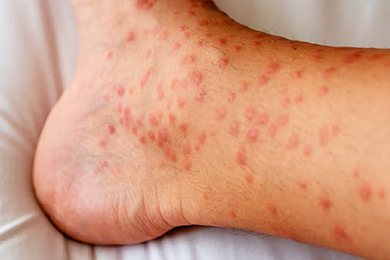


The immune system protects our body from infections and helps keep us healthy. But sometimes the immune system reacts too strongly to harmless substances, causing an allergic reaction. That’s where the allergy clinic helps. The allergy doctor at the Allergy Clinic, Liaquat National Hospital is a qualified Rheumatologist who manages a wide range of conditions from assessing symptoms to identifying other immune-related concerns. This includes both overactive immune responses, including allergies and autoimmune conditions, and underactive immune responses, including immunodeficiencies.
Apart from individual symptoms, they also consider patients’ medical history, possible triggers, and allergy screening test results for specialized investigations to understand the real problem and offer appropriate treatment.
What we treat at Allergy Clinic
At our outpatient clinic, our allergy doctor sees both children and adults suffering from various allergy and immune-related concerns.
These include:
- Environmental allergies, food allergies and suspected medicine allergies
- Recurrent or unexplained skin rashes, itching, hives and swelling
- Allergic rhinitis and other allergy-related symptoms
- Recurrent, severe or unusual infections where an immune-system problem may be suspected
- Immune-system evaluation for suspected immunodeficiencies
- Assessment of immune-related and autoimmune conditions
- Allergy testing and other specialised investigations including Antibody and immune-profile testing, where required
- Genetic testing for selected suspected immune disorders
- Trigger identification and Guidance on avoidance triggers and managing recurring symptoms
- Individualised allergy treatment and follow-up based on the patient's symptoms and diagnosis
Who You Should Visit an Allergy Clinic and Why?
If you are not sure whether your symptoms are allergy- related or not, it is better to see an allergy doctor instead of performing self-assessment.
Watch for these signs:
- Repeated sneezing, a runny or blocked nose, or itchy eyes
- Recurrent or unexplained skin rashes
- Hives or sudden itchy, raised patches on the skin
- Swelling of the lips, face or other parts of the body
- Symptoms that repeatedly appear after eating a particular food
- A suspected reaction to a medicine
- Symptoms that worsen around dust, pets, pollen or other environmental triggers
- Repeated itching or rashes after using particular soaps, cosmetics, perfumes or other products
- Recurrent infections that are unusually frequent, severe, prolonged or difficult to treat
- A previous severe allergic reaction
- Concerns about a diagnosed allergy or previous allergy test

Weak Immunity vs. Allergy: What’s the difference
Having an allergy does not mean your immune system is weak. In fact, an allergy occurs when the immune system overreacts to a harmless external substance. On the other hand, immunodeficiency means an underactive system that struggles or fails to protect against infections. Unusually frequent, severe, or prolonged infections require clinical investigation to know true immune function rather than assuming poor overall health.
Differentiating Allergies from Autoimmune Conditions
While both involve the immune system, there are fundamental differences between allergies and autoimmune diseases. Allergies happen occur when the body reacts to outside triggers like pollen, dust, certain foods or medicines. In autoimmune disease conditions involve the immune system mistakes and attacks your own healthy tissues for a threat. The allergy clinic manages both conditions under one roof as they share complex immune pathways through comprehensive, multi-system care.
Your Allergy Testing Journey
Before Testing:
- Consult your doctor for any current allergy medications, as certain medications might need a temporary pause for accurate test results.
- Your doctor advises specialised Diagnostics for any targeted evaluation, such as an IgE allergy blood test or a supervised oral food challenge, depending on your symptoms.
After Testing:
- A positive result often shows sensitivity, but it doesn't automatically mean a substance will cause a reaction.
- Results are interpreted alongside your history. Your doctor combines it with your symptom pattern to reach a diagnosis


Frequently Asked Questions
The allergy doctor initially discusses your symptoms take medical history on your first visit before a physical examination.
Your doctor may ask about:
- When your symptoms started
- How often they occur
- What seems to trigger them
- Foods you eat
- Medicines you take
- Soaps, cosmetics and other products you use
- Your home and workplace environment
- Previous allergies or allergic reactions
- Any history of recurrent infections
Depending on your symptoms, your doctor may recommend specialised investigations.
It's better to bring your previous medical records, prescriptions and investigation reports if available. If you previously had a rash or swelling, showing photographs can also be useful. It can help to note what you ate, used or took before the symptoms appeared.
No. The purpose of the specialist assessment is to figure out whether it is an allergy and to understand the causes behind your symptoms and find out what investigations or treatment will help
Consider an expert evaluation if you have recurrent or unexplained allergies, persistent or recurring skin rashes, hives, unexplained swelling, suspected food or medicine reactions. Additionally, if you have infections that are unusually frequent, severe or difficult to treat.
Allergies and joint pain are not related directly. But one thing common to both is that the immune system plays a role in both allergic and autoimmune conditions. Some patients may develop more than one immune-related condition. Only a specialist can assess symptoms that overlap or are difficult to explain.
You can find reliable allergy doctor in Karachi at Liaquat National Hospital at the allergy clinic under the Rheumatology Department. From evaluating suspected allergies and immune disorders and related conditions to providing individualised care, everything is available under one roof.
Asthma and allergy are different conditions, although they can occur together. Allergy symptoms include sneezing, itchy eyes, runny nose, hives or skin reactions. Whereas asthma affects the airways and can cause symptoms such as coughing, wheezing, chest tightness and difficulty breathing. However allergic asthma is a common subtype of asthma where allergen exposure directly triggers asthma attack.
Not necessarily. Your allergy doctor at any allergy clinic selects investigations based on your symptoms and suspected triggers.
Symptoms that are not severe but affecting your sleep, work, studies and quality of life and keep coming back, it's better to seek medical advise.
It starts with a detailed discussion of symptoms and eating habits. The allergy doctor may recommend an IgE blood test or a skin prick test to check for specific antibody reactions. In selected cases, a supervised oral food challenge is also used to confirm or rule out an allergy safely.
It is highly manageable and treatable but not completely curable. For example, an allergy clinic expert can help control symptoms using daily allergen-avoidance measures. However, for long-term relief, an allergy doctor at an allergy clinic may recommend solutions which gradually train the immune system to become less sensitive over time.
It takes time to cure an allergic runny nose, but an allergy doctor can help control symptoms through targeted medication, further investigations, and long-term therapy.
There can be many reasons behind morning sneezes, such as overnight exposure to indoor allergens, most commonly dust mites present in mattresses, pillows, and bedding. Temperature changes upon waking can also be the reason. Consult a specialist at an allergy clinic if symptoms persist.
These conditions can overlap and be hard to tell apart. Therefore, instead of self-diagnosis, consult an allergy doctor for a proper evaluation and any dietary changes
Wheat, peanut and milk allergies are immune-system reactions that can cause symptoms such as hives, swelling, digestive discomfort or, in severe cases, difficulty breathing. Peanut allergies in particular can be severe and often lifelong.
Lactose intolerance is not an allergy but a digestive issue. It causes symptoms like bloating or gas rather than an immune response.
Immunity does not boost on its own by a single food, supplement or habit. A healthy and balanced lifestyle supports natural immune system.
- Eating a balanced diet rich in whole foods.
- Get 7 to 8 hours of quality sleep every night.
- Stay physically active with regular daily exercise.
- Manage chronic stress levels.
- Get routine health screenings and vaccinations.
Allergies don't typically cause fever. If you have a fever along with your allergy symptoms, it's more likely due to a viral or bacterial infection rather than the allergy itself. This is worth mentioning to your doctor so it can be checked separately.
The cost depends on the type of allergy test your doctor has recommended. For details about specific tests and charges, contact Liaquat National Hospital via WhatsApp chatbot 021-111-456-456 or visit the hospital.
Contact Information
For appointment and details, please call us on the given numbers between 8 am to 8 pm from Monday to Saturday:
OPD Office: 021-34413010, 021-34413011, 021-34413012, 021-34413036 and 021-34412576
Rheumatology OPD: 021-34413047
WhatsApp Chatbot: 021-111-456-456 or download our mobile app LNH Care.