Cancer Screening Clinic
Cancer Screening Clinic – Detect Early, Stay Protected


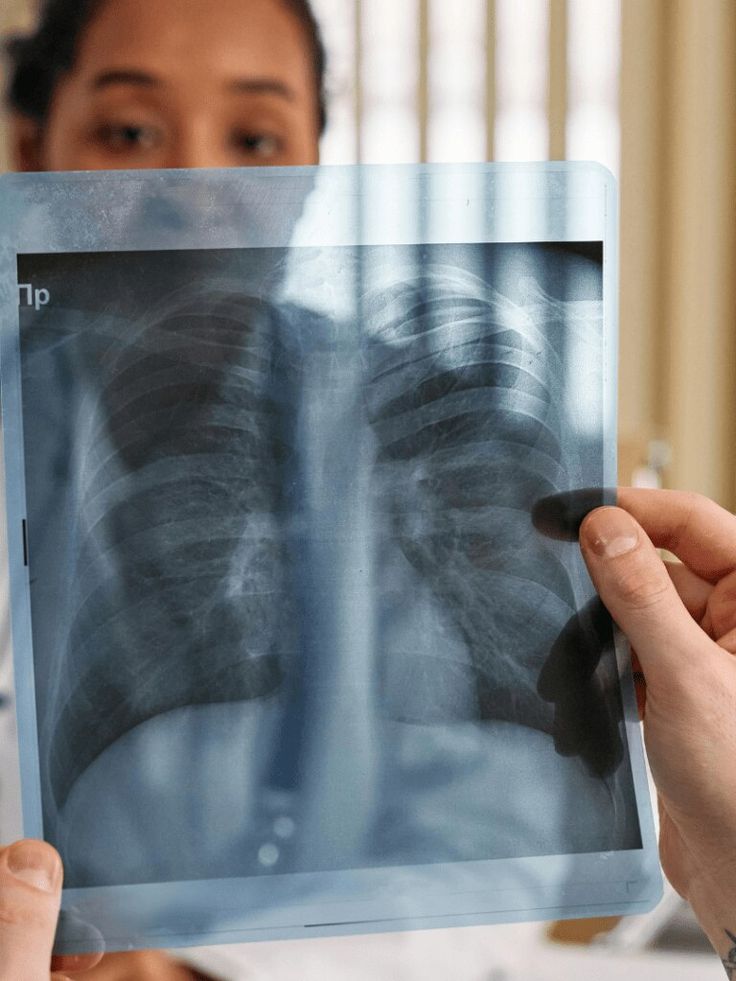
As the population is rising, the burden of cancer is also growing rapidly and has become a major health concern. Screening of high-risk populations by specialists and a multidisciplinary team can significantly contribute to early cancer diagnosis, improved survival rates, and the adoption of preventive measures.
Cancer screening is a medical subspecialty in which patients are evaluated for their risk of developing cancer in the future. This evaluation is based on personal, family, and environmental risk factors.
The Oncology Screening Clinic at Liaquat National Hospital places a strong emphasis on providing comprehensive screening services for various types of cancer. It focuses on using the latest technology under the supervision of a highly skilled multidisciplinary team, including the best cancer surgeon in Karachi. Our doctors’ approach ensures personalized care for each patient, leading to better outcomes.
Additionally, for patients already diagnosed with cancer, we emphasize the importance of cancer diagnostic tests for family members who are at high risk to facilitate early detection and management, such as annual or biannual mammography.
Why You Should Visit a Cancer Screening Clinic?
Cancer Screening Clinic at Liaquat National Hospital is the top screening clinic in Karachi, which is playing a significant role in preventing cancer. Our dedicated services include:
Comprehensive Evaluation
Patients receive a complete assessment that includes detailed medical history, physical examination, and imaging tests according to the risk of the patient developing a certain type of cancer.
Cancer Screening Tests
Based on the patient’s risk factors and family history, the doctors recommend the following tests for screening, some of them are listed as follows:
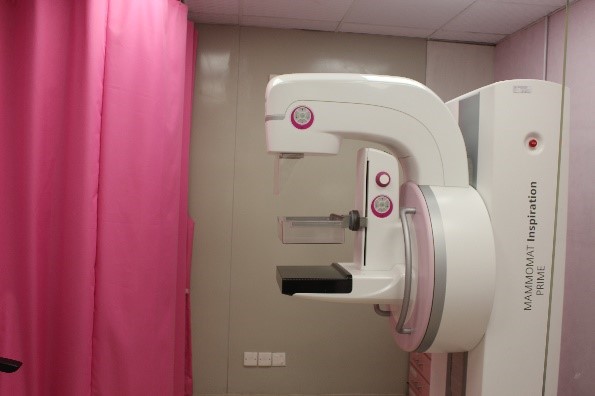
- Breast Cancer: Mammography, ultrasound.
- Liver Cancer: Ultrasound, alpha-fetoprotein test, liver function tests.
- Lung Cancer: Low-dose CT scans, chest X-rays.
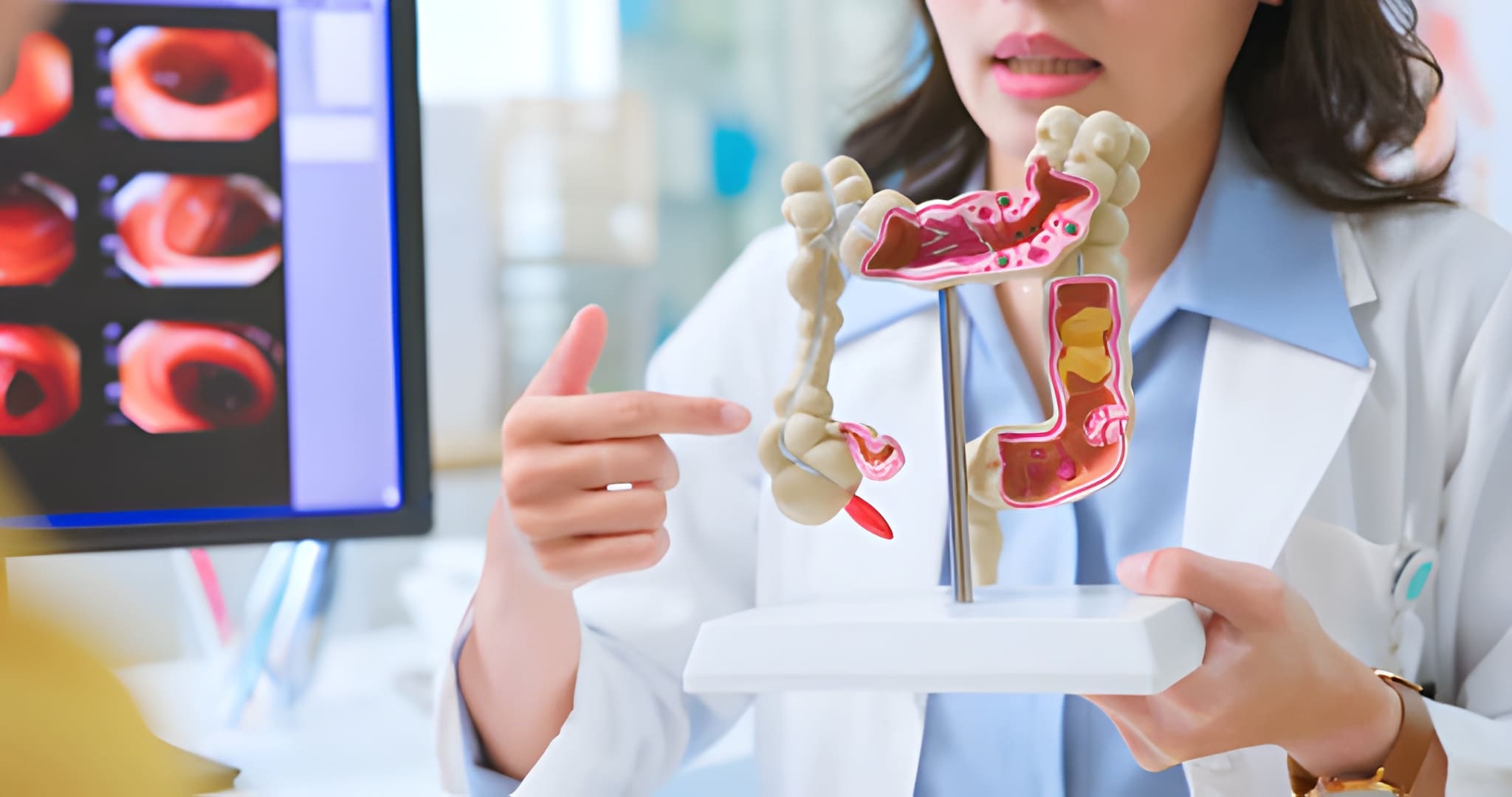
- Colorectal Cancer: Colonoscopy, stool tests, and imaging studies.
Genetic Syndromes Screening
Genetic screening for cancer syndromes is being advised to patients who are at high risk of inheriting certain known high-risk genetic mutations, like MSI for LYNCH syndrome, BRCA testing for BRCA-OVARIAN cancer syndrome, and TP53 for Li-Fraumeni syndrome. These syndromes are suspected when any patient develops multiple cancers, bilateral cancers or a very young onset of adult cancer with or without other systemic manifestations.
Risk and Benefit of Counselling at Cancer Screening Clinic
Based on your test results, our oncologists provide a detailed analysis of the potential risks and benefits associated with various cancer screening options. The doctors evaluate the chances of developing specific cancers by considering factors such as family history, lifestyle, genetic predispositions, and other relevant health indicators.
| Type of Cancer | Risk Factors | Life Time Risk of Cancer (%) |
|---|---|---|
| Breast | General population | 11–12% |
| Family history in first degree relative | 20–25% | |
| Positive for BRCA 1 or BRCA2 | 55–60% | |
| Contralateral breast | 20–30% | |
| Early menarche | 30% | |
| Late menopause | 22% | |
| Colon | General population | 4% |
| Family history in any one first degree relative | 9% | |
| Family history in more than one first degree relative | 16% | |
| Inflammatory bowel disease | Ulcerative colitis: 7–10% Crohn’s disease: 4–6% |
|
| Lung | Smoking (Cigarettes, Cigars, Electronic cigarettes) | >90% risk of acquiring lung cancer |
| Hepatocellular Carcinoma (HCC) or Liver Cancer | HBV Carrier | 10–25% |
| Chronic Hepatitis B | > 50% risk | |
| Chronic HCV | 10-20 fold risk | |
| NASH with cirrhosis | 10-25% over 10 years |
Moreover, the experts will also explain the advantages of early detection, such as the possibility of less invasive treatments and improved survival rates. This comprehensive guidance ensures that patients can make informed and personalized decisions about their health. This eventually empowers them to choose the most appropriate screening and preventive measures.
Education & Training
We actively conduct seminars to raise awareness among healthcare professionals about the importance of cancer screening. Additionally, we share educational material across multiple platforms to further spread the message.
For the general public, we also organize various awareness activities, educational programs, live sessions on our social media, and interactive discussions on FM radio channels. The goal of these initiatives is to inform and educate the public about cancer prevention, early detection, and the importance of timely screening.
Frequently Asked Questions
Screening is done in asymptomatic population who are at high risk based on family, environmental and genetic risk factors like any family member being diagnosed with multiple or bilateral cancer or being diagnosed at very early age so very 1st blood relatives (mother, father, children, brothers and sister) should be screened, similarly chronic smokers, chronic Hepatitis B and C diagnosed patients should also be screened.
No, as the screening tests like mammograms, ultrasounds, and low-dose CT scans use very low levels of radiation. Hence, this amount does not cause any major cancer risk. However, the benefits of early detection outweigh any minimal risk.
Liaquat National Hospital cancer screening clinic screens for breast cancer, colorectal cancer, liver cancer, cervical cancer, and lung cancer. Furthermore, it may offer specific screenings depending on the patient’s risk profile.
The clinic uses a variety of screening methods, including mammograms, colonoscopies, Pap smears, PSA tests, low-dose CT scans, and skin examinations, among others. The appropriate screening method is determined based on the type of cancer being screened for.
If a screening test result is abnormal, the doctor will recommend further diagnostic tests to determine whether cancer is present. Our oncologists will guide you through the next steps and discuss potential treatment options if necessary.
For most women, annual or biennial mammograms are recommended starting at age 40 to 50. This depends on individual risk factors and healthcare provider recommendations.
Yes, the colon cancer screening is highly effective in early detection and prevention of cancer as it identifies and removes precancerous polyps. Moreover, regular screening also helps in reducing the incidence and mortality of colon cancer.
For average-risk individuals, a colonoscopy is recommended every 10 years, while other tests, such as stool tests, may be recommended annually or every 5 years. Screening intervals vary based on personal risk factors and test results.
The frequency of screening depends on individual risk factors. For high-risk individuals, regular screenings every 6 months with U/S liver and alpha-fetoprotein are often recommended to monitor liver health and detect any early signs of cancer.
While single blood test cannot diagnose kidney cancer, they play a crucial role in the diagnostic process. For example, abnormal blood cell counts and high levels of certain substances in the blood can indicate a problem with kidney function.
E-cigarettes and vaping could pose health risks, including lung cancer. The best approach is to avoid all tobacco and nicotine products to reduce health risks.
Exposure occurs when people consume food contaminated with aflatoxin. This can happen if food products like corn, peanuts, or tree nuts are improperly stored, allowing mould growth.
For cancer screening test information, please call us at the given number.
A blood test cannot detect breast cancer. There are other tests recommended for this, such as mammography, biopsy or self-examination at home.
Our Expert Doctor
Contact Information
For appointment and details, please call us on the given numbers between 8:00 am to 8:00 pm from Monday to Saturday:
OPD Office: 021-34413010, 021-34413011, 021-34413012, 021-34413036 and 021-34412576
Oncology OPD: 021-34412716,
WhatsApp Chatbot: 021-111-456-456 or download our mobile app LNH Care.